Why the TV App is Trending in the US: Spectrum’s Google TV Launch and the 2026 Streaming Revolution
In the fast-paced world of digital media, few things shift as rapidly as consumer streaming habits. As of mid-April 2026, a specific surge in search volume and social media chatter has centered around the “TV app.” While the term is broad, the momentum is driven by two specific industry titans: Charter Communications (Spectrum) and Apple.
For tech enthusiasts and digital marketers alike, this trend represents more than just a new way to watch sitcoms; it signals a fundamental shift in how hardware and software ecosystems are merging to capture the American living room.
The Spectrum TV Expansion: Breaking the Box
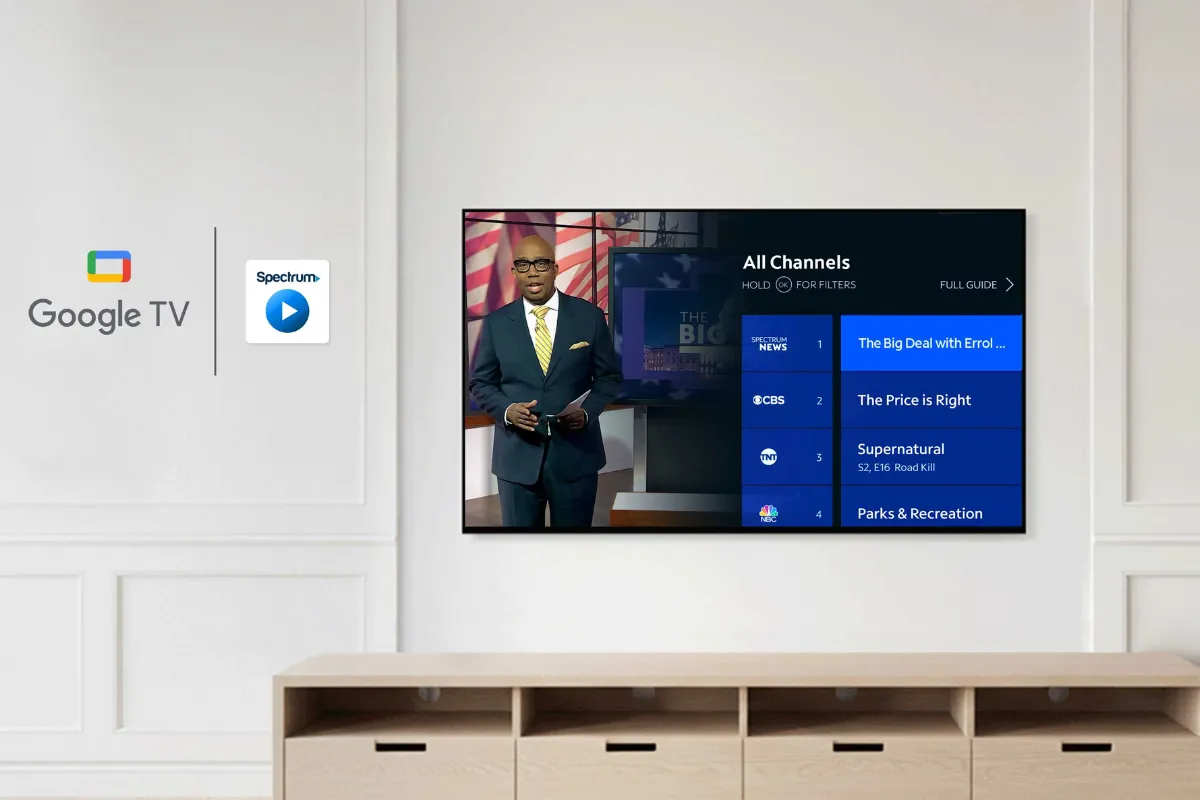
The primary driver behind the “TV app” trend this week is the long-awaited arrival of the Spectrum TV app on Google TV and Android TV OS devices. For years, cable providers were synonymous with proprietary hardware—the “cable box” that sat under the TV, accumulating dust and monthly rental fees.
By launching its highly-rated app on the Google TV platform, Spectrum has effectively dismantled the last remaining barrier between traditional cable and the modern streaming interface. This move allows millions of Spectrum households to access live news, sports, and a massive on-demand library directly through the same interface they use for YouTube, Netflix, and Disney+.
The technical implications are significant. This integration utilizes advanced cloud DVR capabilities, allowing users to record content without physical storage on-site. For the user, it means a cleaner home theater setup and a unified search experience where a single voice command can find a show, regardless of whether it’s on a live cable channel or a streaming service.
Apple TV’s Content Blitz
While Spectrum handles the “how” of watching, Apple TV is currently dominating the “what.” April 2026 has been a landmark month for Apple’s streaming arm, with a release schedule that has kept the “Apple TV app” at the top of trending charts.
The premiere of Margo’s Got Money Troubles has captured a massive demographic, blending high-production drama with a zeitgeist-heavy plot. Combined with the star power of Keanu Reeves in the new dark comedy Outcome, Apple is proving that its “quality over quantity” strategy is paying off in terms of user retention and app engagement.
Furthermore, Apple’s recent software update to the TV app has improved the “Up Next” algorithm. By using more sophisticated on-device machine learning, the app is now better at predicting user preferences across different genres, making the user interface feel more personal and less cluttered than its competitors.
The Rise of FAST: A Shift in the Economic Model
Beyond the big names, there is a quieter trend contributing to the “TV app” buzz: the explosion of Free Ad-Supported Streaming TV, known as FAST.
As subscription fatigue hits an all-time high in 2026, American consumers are flocking to apps like Tubi, Pluto TV, and the built-in “Free TV” sections of their smart televisions. These apps provide a “lean-back” experience reminiscent of old-school channel surfing but with the convenience of digital delivery.
Industry data suggests that FAST apps now account for nearly 10% of all streaming minutes in the US. This resurgence of ad-supported content is a critical pivot point for digital marketers. It opens up new avenues for programmatic advertising and hyper-targeted video campaigns that were previously locked behind the “walled gardens” of premium subscription services.
Technical Synergy: Google TV and the Android Ecosystem
The technical marriage between Spectrum and Google TV is perhaps the most interesting development for those in the tech sector. Google TV’s platform is built on a foundation of deep integration. When a major player like Spectrum joins this ecosystem, it doesn’t just add a tile to the home screen; it integrates with Google Assistant and the system-wide “Live” tab.
This means that for the first time, a user in a major US market can ask their Google Home to “Tune to ESPN,” and the system will automatically launch the Spectrum TV app and start the broadcast. This level of automation is what consumers are increasingly demanding—a frictionless transition between the internet and broadcast television.
Why This Matters for Tech Sites and SEO
For digital publishers and SEO specialists, the “TV app” trend is a prime example of a high-intent topic. Users searching for these terms are often looking for two things: troubleshooting/installation guides or content recommendations.
- Service Integration Guides: There is a high demand for articles explaining how to migrate from a cable box to a TV app environment.
- Device Comparisons: With Spectrum now on Google TV, users are comparing hardware. Is it better to use a Chromecast, a Sony Smart TV, or an Apple TV 4K?
- AI Personalization: As apps get smarter, there is a growing interest in how AI determines what shows are “trending.”
For a technology website, covering these shifts provides an opportunity to establish authority in the “Home Automation” and “Digital Media” niches. By focusing on the intersection of hardware (Google TV) and service (Spectrum), publishers can capture traffic from both tech-savvy early adopters and general consumers looking to simplify their entertainment setups.
Conclusion: The Unified Screen
The trend we are seeing in April 2026 isn’t just about a single application; it’s about the “Unified Screen.” The distinction between a “TV channel” and a “Streaming App” is officially dead. Whether it’s through Spectrum’s cable integration on Android or Apple’s premium content library, the goal is the same: to be the primary gateway to the user’s attention.
As we move further into 2026, expect the “TV app” to become even more central to the smart home. With the integration of AI-driven recommendations and the shift toward free, ad-supported models, the way we define “watching television” has been permanently rewritten. For those of us in the digital and SEO space, staying ahead of these platform shifts is the key to maintaining relevance in an increasingly crowded digital landscape.