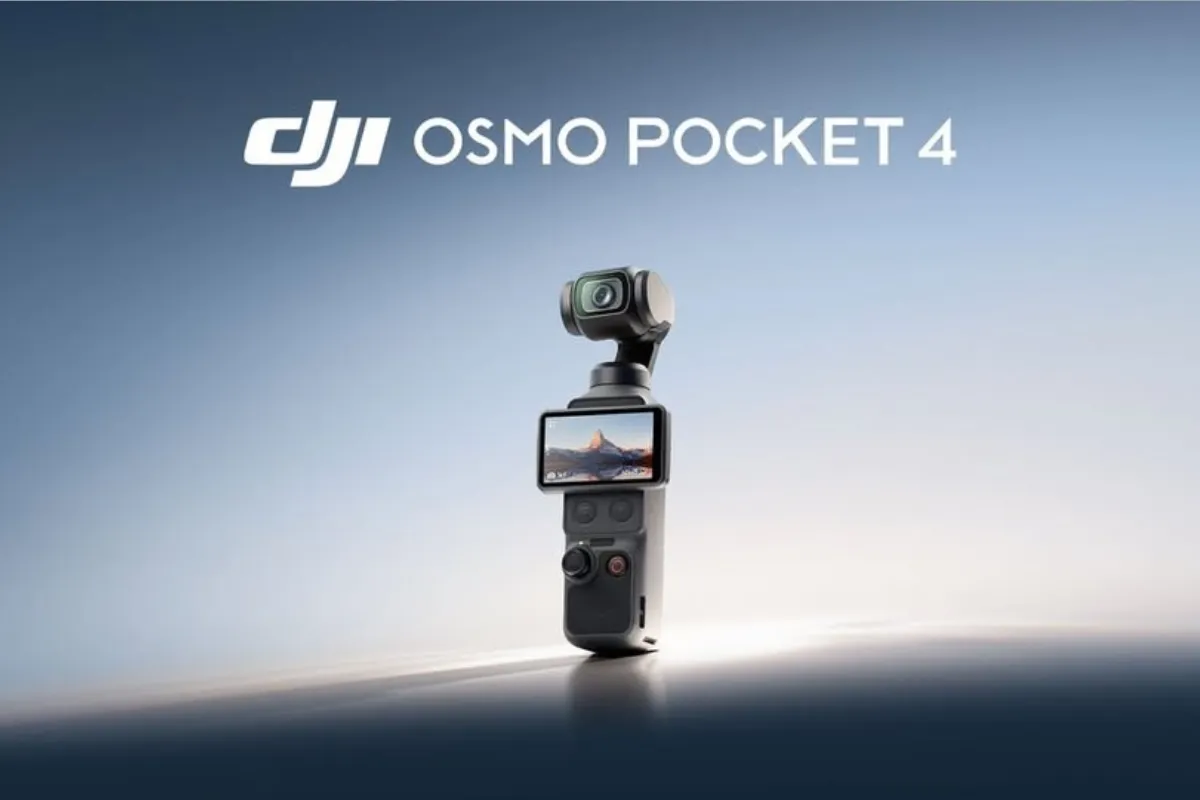
The DJI Osmo Pocket 4 Revolution: Technical Mastery Meets Global Controversy
The release of a new DJI product usually follows a predictable pattern: a sleek teaser campaign, a synchronized global launch, and an immediate takeover of YouTube’s trending page by tech reviewers. However, the debut of the DJI Osmo Pocket 4 on April 16, 2026, has broken this cycle, creating a “perfect storm” of viral interest. While the device is being hailed as the pinnacle of handheld stabilization technology, its absence from US retail shelves has turned a standard product launch into a massive geopolitical tech debate.
At its core, the DJI Osmo Pocket 4 represents a significant leap forward in miniaturized cinematography. For content creators, travel vloggers, and professional videographers, the “Pocket” series has always been about removing the friction between an idea and a high-quality capture. With this fourth iteration, DJI has moved beyond the “hobbyist” label, introducing features that were previously reserved for high-end mirrorless cameras and cinema rigs.
Professional-Grade Technical Specifications
The technical leap from the Pocket 3 to the Pocket 4 is substantial. The most striking upgrade is the sensor performance. While it retains the 1-inch CMOS sensor that made its predecessor a low-light champion, the image processing engine has been entirely redesigned.
The DJI Osmo Pocket 4 is the first in its class to offer 4K recording at 240fps. This is not merely a gimmick; for creators in the automotive, sports, and nature niches, the ability to slow down 4K footage to 10% speed with crisp detail is a game-changer. This high frame rate is supported by a new thermal management system that allows for longer recording times without the overheating issues that often plague small-form-factor cameras.
Furthermore, DJI has finally addressed the “storage anxiety” felt by many creators. The DJI Osmo Pocket 4 features 107GB of built-in, high-speed internal storage. This ensures that even if a user forgets their microSD card, they can still record nearly two hours of high-bitrate 4K footage. When a card is inserted, the device can act as a redundant backup, a feature usually found only on professional dual-slot cameras.
The AI Integration: ActiveTrack 7.0
Artificial Intelligence is the invisible engine driving the DJI Osmo Pocket 4’s success. The new ActiveTrack 7.0 system utilizes a dedicated NPU (Neural Processing Unit) to handle subject recognition. Unlike previous versions that could lose a subject if they turned around or went behind a thin obstacle, ActiveTrack 7.0 uses predictive modeling. It understands the “path” of a subject, allowing the 3-axis gimbal to stay locked on with eerie precision.
This AI also powers the new “Auto-Frame” mode, which is designed specifically for vertical content creators. The camera can remain stationary on a tripod while the gimbal moves to simulate a cameraman following the subject, automatically cropping and centering the footage for TikTok or Instagram Reels without losing 4K resolution.
The US Market Controversy: Why it is Trending
Despite the technical brilliance of the device, the primary reason the DJI Osmo Pocket 4 is trending in the United States is its unavailability. In late 2025, the regulatory landscape for Chinese-made technology shifted dramatically. Following the inclusion of DJI on the FCC’s “Covered List” and the implications of the 2025 National Defense Authorization Act (NDAA), the Pocket 4 failed to receive the necessary authorizations for a US retail launch.
This has created a “forbidden fruit” effect. American creators are watching their European and Asian counterparts showcase the 10-bit D-Log M color profiles and the 14 stops of dynamic range, while US retailers like Amazon and B&H remain out of stock. This has led to a surge in search traffic as users look for international shipping workarounds, gray-market imports, and updates on potential legislative changes.
The situation highlights a growing divide in the tech world. While the hardware is ready for the future, the trade policies of 2026 are creating significant hurdles for global tech distribution. For the US consumer, the DJI Osmo Pocket 4 isn’t just a camera; it’s a symbol of the current friction between innovation and national security policy.
Ergonomics and Physical Control of DJI Osmo Pocket 4
Beyond the internal tech, DJI listened to the community regarding physical usability. The DJI Osmo Pocket 4 introduces a dedicated zoom wheel and a customizable “Fn” (Function) button on the handle. Previously, users had to rely heavily on the small touchscreen to adjust settings, which could be cumbersome during a live shoot.
The new tactile controls allow for “blind” operation. A creator can adjust the digital zoom or toggle between follow modes without taking their eyes off the subject. Additionally, the screen itself has seen an upgrade—a 2.2-inch OLED rotatable display with a peak brightness of 3000 nits, making it easily viewable even under the harsh midday sun in regions like the Middle East or South Asia.
Sound and Ecosystem
Audio has always been the Achilles’ heel of small cameras, but the Pocket 4 integrates a three-mic array with AI-driven wind noise reduction. It also features a built-in receiver for the DJI Mic 3, allowing for a seamless “plug-and-play” wireless audio experience. For an SEO specialist or a digital marketer looking to produce high-quality video content with minimal gear, this all-in-one ecosystem is incredibly attractive. It reduces the “kit size” to something that can literally fit in a jacket pocket while delivering results that look like they were filmed by a three-person crew.
Conclusion: A New Benchmark in a Challenging Year
The DJI Osmo Pocket 4 is a triumph of engineering. It manages to pack professional cinema features—like 10-bit color, 240fps slow motion, and AI tracking—into a device smaller than a smartphone. In any other year, its trend status would be based solely on its merit as a tool for innovation.
In 2026, however, its story is more complex. It is a testament to how fast camera technology is moving, but also a reminder of how interconnected and fragile the global tech market has become. Whether the regulatory issues in the US are resolved or not, the Pocket 4 has already set the new standard for what a handheld camera should be. For those who can get their hands on it, it offers an unparalleled bridge between professional quality and pocket-sized convenience.