The digital landscape in 2026 has been defined by a renewed focus on data sovereignty and corporate accountability. If you have noticed “Google Class Action Lawsuit” dominating your social media feeds or news alerts recently, you are not alone. In the United States, a perfect storm of legal rulings, Google Android Settlement Payout, and new Department of Justice (DOJ) mandates has put the tech giant under a microscope.
While Google has faced legal challenges for decades, the current surge in interest is driven by something much more tangible than abstract legal theory: direct payouts to millions of American consumers.
The Catalyst: The $135 Million “Passive Data” Settlement
The primary reason for the current viral trend is the official launch of the Google Android Settlement Payout website for Taylor v. Google LLC. This case, which has been winding through the courts for several years, reached a critical milestone in early April 2026.
What is the Lawsuit About?
The core of the Taylor case involves “passive data transfer.” Plaintiffs alleged that Android mobile devices were designed to transmit sensitive information—including persistent identifiers and cellular data usage—back to Google’s servers even when the device was idle and the user had not interacted with any Google apps.
The lawsuit argued that this happened without explicit user consent, violating both the Stored Communications Act and various state privacy laws. For many users, the most frustrating aspect was the “background” nature of the data drain, which could impact data caps and battery life without any visible benefit to the consumer.
Who is Eligible for a Payout?
Unlike niche legal cases, this settlement is massive in scope. It covers approximately 100 million Android users in the United States. If you used an Android device on a cellular network at any point between November 12, 2017, and April 2026, you likely fall into the Google Android Settlement Payout class.
The sheer volume of eligible people is why the topic is trending; as users receive notification emails or see news reports, they are rushing to the official portal to submit their claims.
The $630 Million Play Store Fallout
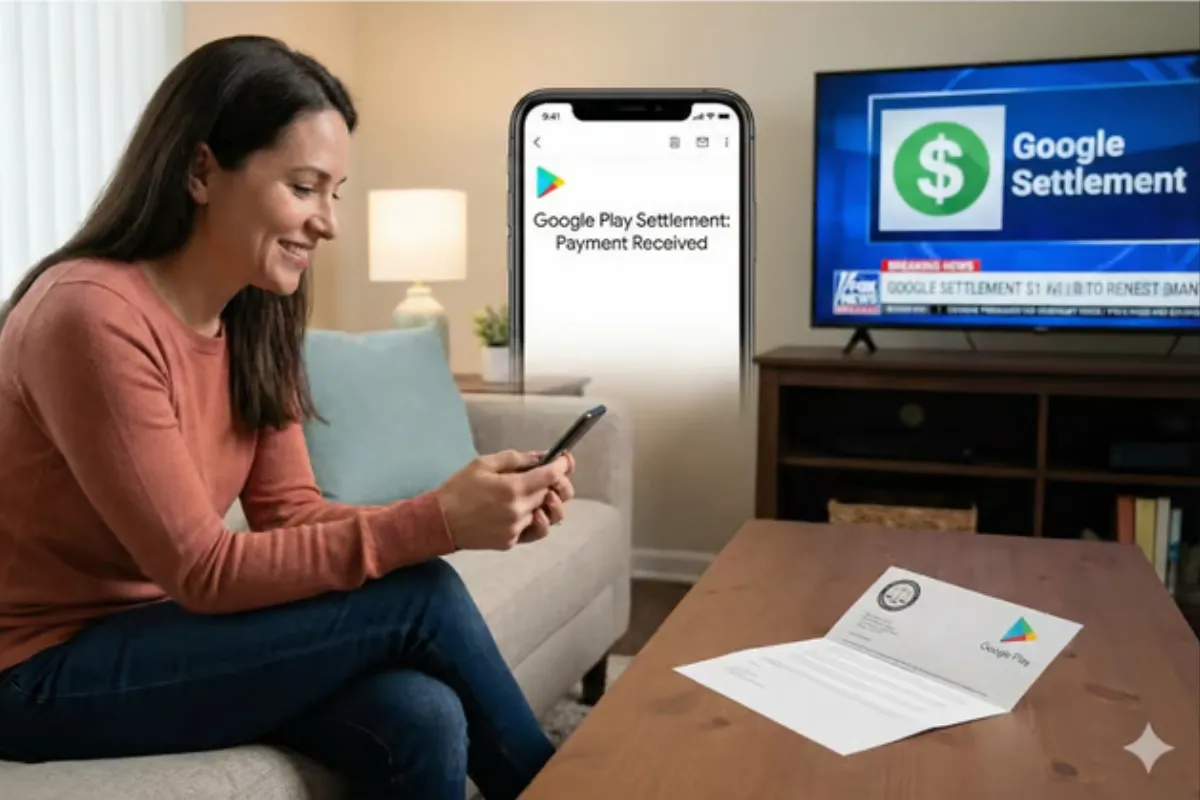
While the passive data case is the “new” news, the finalization of the Google Play Store Antitrust Settlement is also contributing to the buzz. After years of litigation led by state attorneys general, Google is in the final stages of distributing roughly $630 million to consumers who were “overcharged” due to Google’s dominance in the app market.
This lawsuit focused on the 30% “Google Tax” on in-app purchases. In late April 2026, the final approval hearings concluded, and the court began the process of authorizing the final wave of payments. For many Americans, seeing a credit in their Google Play balance or a small deposit in their bank account has prompted them to search for why Google is suddenly “giving money back.”
New Frontiers: The DOJ “Bulk Rule” and Data Privacy
Beyond the settlements, a new and more serious legal threat has emerged in 2026: McGrath v. Google. This lawsuit is trending because it intersects with national security and the Department of Justice’s new “Bulk Data” regulations.
In February 2026, the DOJ implemented strict rules prohibiting the transfer of large sets of personal data to “countries of concern.” Shortly after, class action lawsuits were filed alleging that Google’s ad-tech ecosystem inadvertently (or systematically) allowed sensitive geolocation and financial data of U.S. citizens to be accessed by foreign entities.
This is not just a privacy issue; it is being framed as a national security concern. As the case moves into the discovery phase this month, leaked documents and expert testimonies are keeping the story in the headlines.
The Death of the “Illegal Monopoly” (Ad-Tech)
For those in the business and tech sectors, the trend is driven by the fallout of the 2025 ruling that declared Google’s advertising technology an illegal monopoly.
In 2026, we are seeing the “second wave” of this ruling. Hundreds of smaller, private class action lawsuits have been filed by digital publishers and small business advertisers. These groups argue that Google’s monopolistic practices suppressed competition and forced them to pay higher fees for lower-quality ad placements. As these cases consolidate and move toward trial, the financial implications for Alphabet (Google’s parent company) are staggering, leading to intense speculation among investors and market analysts.
How to Check Your Eligibility
If you believe you are part of the current trending settlements, follow these steps to ensure you are protected:
- Look for the Official ID: Most legitimate class action notices will include a unique Class Member ID sent via email or physical mail.
- Verify the Website: Scammers often take advantage of trending lawsuits to create “phishing” sites. Ensure you are visiting the official court-appointed URL (usually ending in .com or .net but verified by major news outlets).
- Choose Your Payment Method: Most 2026 settlements now offer digital payouts via PayPal, Venmo, or Zelle, making the process much faster than the old “check in the mail” system.
- Observe the Deadlines: For the $135M Android settlement, the deadline to file a claim or object is May 29, 2026.
Conclusion
The reason “Google Class Action Lawsuit” is trending today is a combination of massive financial settlements and a shifting legal landscape. Whether it’s the $135 million Android data case, the finalization of the Play Store settlement, or the groundbreaking “Bulk Rule” privacy litigation, the message is clear: the era of unchecked “Big Tech” data collection is facing its steepest challenge yet.
For the average user, this translates to more than just a trending topic—it represents a rare moment where consumers can reclaim a piece of the value generated by their personal data. Keep an eye on your inbox, verify your sources, and ensure you file your claims before the mid-2026 deadlines pass.